
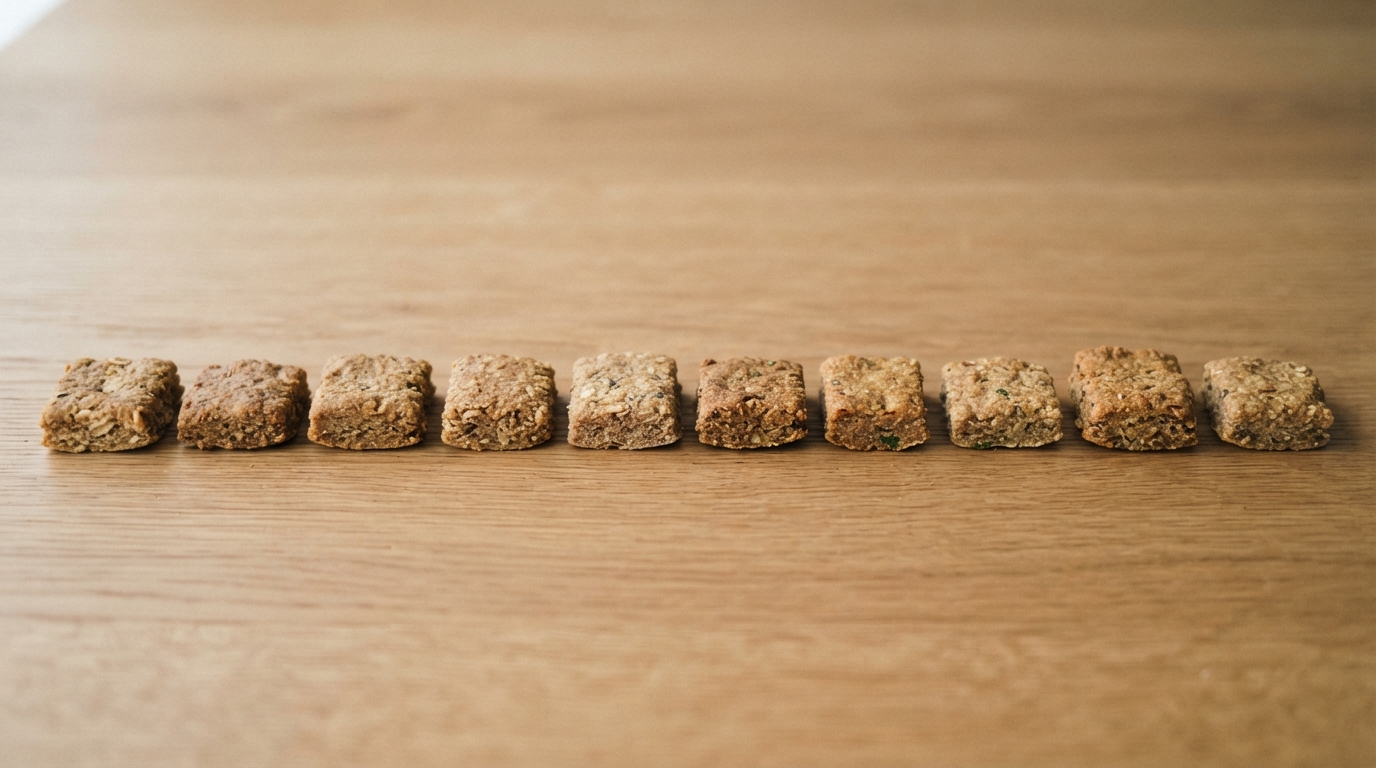
A dog’s everyday routine includes many small decisions, from the food placed in the bowl to the rewards used during training. These choices can influence calorie intake, digestion, and dietary consistency. When a treat contains CBD, the label deserves closer examination because cannabinoid products differ in composition, concentration, and available evidence. Holistapet CBD Dog Treats are available in several formats, including soft chews, biscuits, and small training snacks. Their appearance may resemble ordinary treats, but the cannabinoid component adds another factor to product selection. CBD is a compound found in cannabis plants, while THC is a separate cannabinoid associated with intoxicating effects. THC exposure can be harmful to dogs, and the FDA has not approved cannabis or cannabis-derived products for animal use.
A Practical View of Pet Wellness
Wellness is easier to manage when it is treated as a collection of ordinary habits. Dogs benefit from suitable nutrition, exercise, rest, preventive veterinary care, dental hygiene, and attention to changes in normal behavior.
Nutrition Remains Central
A complete and balanced diet should provide most of the nutrients a dog needs. Treats serve a different purpose.
They can reinforce behaviors, support training, or provide occasional variety. They should not gradually become a major part of the dog’s food intake.
Calorie awareness becomes more important when treats are given frequently. Dogs do not need a large snack to recognize a reward.
Exercise Depends on the Dog
Exercise requirements vary according to age, body condition, health status, breed characteristics, and individual temperament.
A senior dog with mobility limitations may need shorter and gentler activity than a young active dog.
A sudden decline in exercise tolerance should be evaluated rather than automatically attributed to aging.
That distinction matters when CBD treats are marketed around mobility or comfort. A product claim does not establish the cause of reduced activity.
Understanding CBD Product Labels
The product label is one of the first sources of information available to a consumer.
Find the Actual CBD Amount
A label should clearly identify the amount of CBD in an individual treat or defined serving.
Consider a package containing 400 milligrams of CBD and 40 treats. If the formulation distributes CBD evenly, the calculated amount would be 10 milligrams per treat.
This figure describes the stated concentration. It does not establish an appropriate amount for a particular dog.
The safe and effective amount of an unapproved CBD product for a specific animal use has not been established by the FDA.
Look at the Entire Formula
A CBD treat may contain many other ingredients.
For dogs with dietary sensitivities, check:
- Protein sources
- Grain ingredients
- Oils
- Flavorings
- Preservatives
- Sweeteners
- Added nutrients
- Potential allergens
A product may be unsuitable because of one of these ingredients even if CBD is not the primary concern.
Product Testing and Consumer Information
Independent testing can provide another source of information.
What a Laboratory Report Can Show
A certificate of analysis may report CBD, THC, and other cannabinoid concentrations. Additional testing may cover pesticides, heavy metals, microorganisms, and other contaminants.
The exact contents depend on the laboratory.
A batch-specific report is generally more informative than a generic document because it can be connected to a particular production run.
The FDA has previously reported that some CBD products tested by the agency did not contain the amounts stated on their labels. The agency has also investigated potential contaminants in CBD products.
Quality Is Separate From Effectiveness
Suppose laboratory testing confirms that a product contains its stated CBD concentration.
That information answers a question about composition.
It does not prove that the product can treat anxiety, arthritis, pain, seizures, or another medical condition.
Clinical claims require appropriate scientific evidence. Laboratory certification should therefore not be treated as proof of a therapeutic result.
CBD, THC, and Dogs
Cannabinoids can affect dogs differently from humans.
THC Requires Particular Caution
THC can cause intoxication and adverse effects in dogs. Possible signs after cannabis exposure include lethargy, depression, drooling, vomiting, agitation, tremors, impaired coordination, and changes in heart rate.
A product described as hemp-derived should still be examined for its cannabinoid information.
Hemp terminology alone does not provide enough information about the final product.
CBD Still Requires Caution
CBD does not produce the same intoxicating effect associated with THC, but it is not automatically risk-free.
Potential effects associated with CBD exposure include sleepiness, diarrhea, decreased appetite, and changes in liver-related measurements.
A dog’s response may also depend on other factors, including medication use and existing medical conditions.
Choosing According to the Dog
Product selection should account for the individual animal.
Puppies and Growing Dogs
Puppies have changing nutritional requirements. Their diets are designed to support growth and development, so unnecessary additions should be considered carefully.
Training rewards can be useful, but small portions of an appropriate food reward may be sufficient for teaching basic behaviors.
Adult Dogs
Adult dogs may have relatively stable nutritional requirements, although allergies, weight, activity level, medication, and health history still matter.
A new treat should be introduced carefully.
Senior Dogs
Older dogs may develop changes in movement, appetite, sleep, or behavior.
A new symptom should not automatically be treated with a wellness product. Veterinary assessment can determine whether the issue may involve arthritis, dental disease, neurological changes, injury, or another condition.
Medication and CBD
Dogs receiving medication require additional caution because CBD can affect pathways involved in drug metabolism.
Keep the Veterinarian Informed
When discussing a CBD product, provide:
- Exact product name
- CBD concentration
- Complete ingredient list
- THC information
- Available laboratory report
- Current medications
- Other supplements
This information allows a more complete assessment of potential interactions.
Recognize When a Symptom Needs Care
A CBD treat should not replace veterinary diagnosis.
Persistent vomiting, seizures, severe weakness, breathing problems, sudden behavioral changes, severe pain, or suspected cannabis ingestion require appropriate veterinary attention.
Regulatory Developments
The FDA’s position provides useful context. Cannabis and cannabis-derived products have not been approved for animal use.
The agency has continued to examine cannabis-derived products used in veterinary medicine, including product quality, potential benefits, adverse events, drug interactions, and toxicological concerns.
The FDA has also issued warning letters involving animal products marketed with therapeutic CBD claims.
These developments make careful interpretation of product descriptions particularly important.
A Simple Everyday Wellness Check
Before adding a CBD-containing treat to a dog’s routine, consider:
- Is the dog’s regular diet appropriate?
- Is the treat needed for a specific purpose?
- Is the CBD concentration clearly stated?
- Are all ingredients disclosed?
- Is THC information available?
- Is independent testing accessible?
- Does the dog take medication?
- Does the dog have an existing medical condition?
- Is the product being considered because of a new symptom?
A clear answer to these questions does not establish effectiveness. It simply provides more information for a responsible decision.
Final Thoughts
Everyday pet wellness is built around nutrition, activity, preventive care, and observation rather than a single ingredient. CBD-containing treats require additional caution because veterinary evidence and regulatory approval for animal use remain limited.